

Mandarin Chinese is one of the most spoken languages in the world, and it’s often one of the first choices for learners interested in Chinese culture, business, or travel. But if you’ve ever tried learning it, you’ve probably heard this before: “Tones are the hardest part of Mandarin!”
And it’s true – tones can make or break your Mandarin. A single word can mean completely different things depending on the tone you use. But don’t worry – with the right approach, you can master them.
In this blog, we’ll break down why Mandarin tones are so tricky and give you practical ways to get them right.
Why Are Mandarin Tones So Hard?
- Tone is not common in many languages – If you’re coming from English, Hindi, Marathi, or even Japanese, tones don’t play the same role as they do in Mandarin. This makes them feel unnatural at first.
- Four main tones + one neutral tone –
Mandarin has:
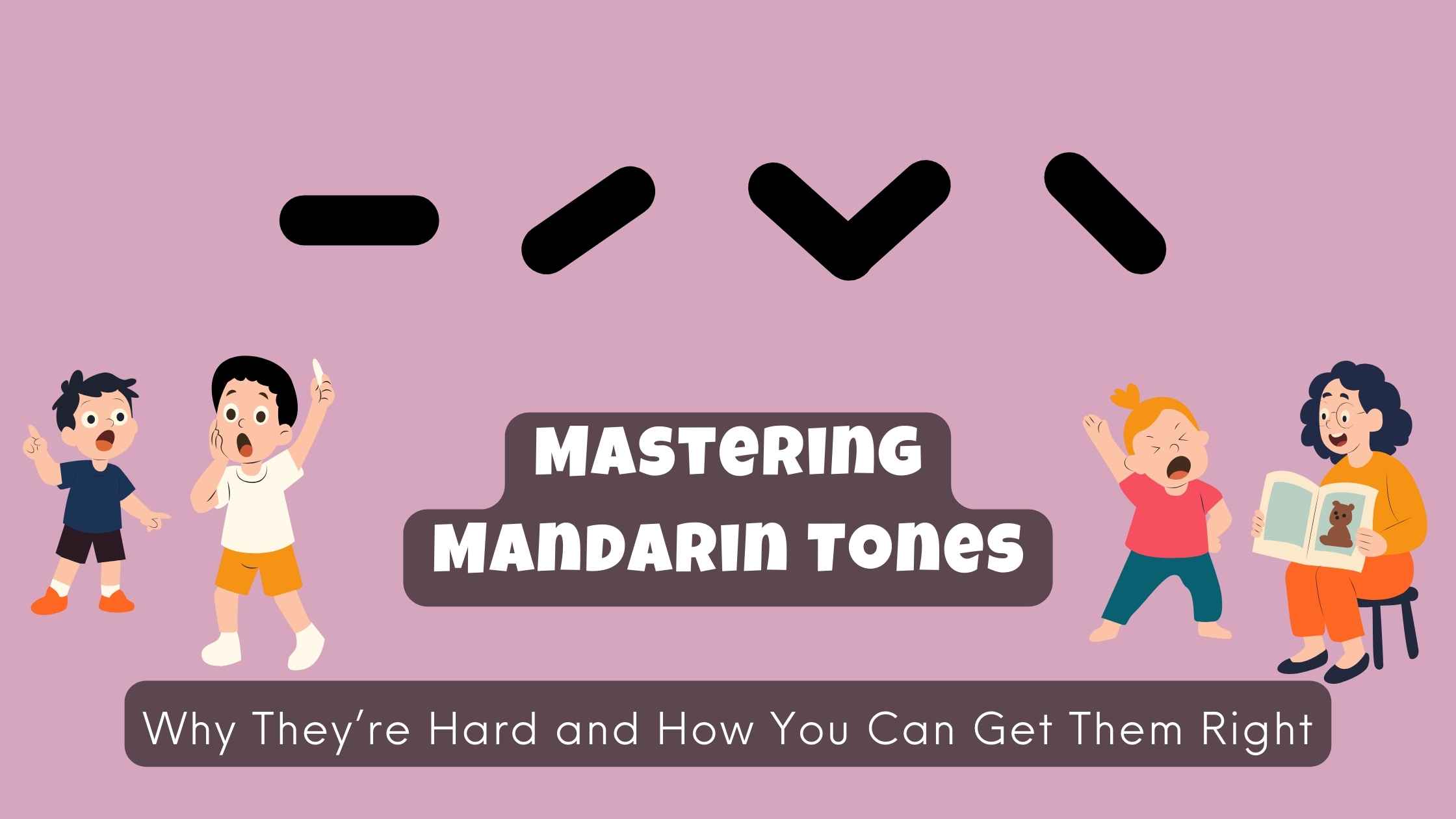
First tone: high and flat (mā)
Second tone: rising, like a question (má?)
Third tone: dipping down then up (mǎ)
Fourth tone: sharp and falling (mà!)
Neutral tone: light and unstressed (ma).For beginners, hearing and reproducing these consistently is a big challenge. - The same syllable can mean different words –
Take ma for example:
妈 (mā) = mother
麻 (má) = hemp
马 (mǎ) = horse
骂 (mà) = to scold
吗 (ma) = question particleMispronounce one, and you might accidentally say “scold” instead of “mother”! - Listening is harder than speaking – Learners often think they’re pronouncing tones correctly but fail to hear subtle differences when native speakers talk quickly.
- Tone sandhi rules – When tones appear together, they often change. For example, two third tones in a row – the first one is pronounced like a second tone. These rules add another layer of difficulty.
 How to Train Your Ear and Voice for Mandarin Tones
Now that we know why tones are tough, here’s how you can work on them effectively:
- Listen before you speak – Spend time listening to native audio. Apps, podcasts, or even Chinese TV shows can help you tune your ear to tonal differences.
- Practice minimal pairs – Work with words that sound similar but use different tones, e.g., mā vs. mǎ. This sharpens your listening skills and pronunciation.
- Record yourself – Speak, record, and compare your tones to native speakers. Most learners don’t realize mistakes until they hear themselves.
- Use hand gestures – Many learners find it helpful to draw the tone shape in the air with their hands: flat, rising, dipping, or falling. This physical action reinforces the sound pattern.
- Start slow, build speed later – Don’t rush sentences in the beginning. Focus on saying words clearly with correct tones before increasing your speaking speed.
- Practice in context – Saying tones in isolation is easier than using them in a sentence. Build simple phrases and practice them until they feel natural.
- Don’t fear mistakes – Native speakers are used to foreigners getting tones wrong. As long as you try, they’ll usually understand – and correct you kindly.
Pro Tips to Stay Consistent
Daily 10-minute tone drills: Repetition is key. Even short daily practice is more effective than occasional long sessions.
Leverage AI tools: Many apps now use AI to analyze your pronunciation and give feedback.
Talk to real people: Language partners or tutors will train your brain to recognize tones in real conversations, not just textbooks.
Mastering Mandarin tones is tough, but not impossible. With consistent listening, practice, and a little creativity (like using hand gestures or recording yourself), you can build a strong foundation. The key is patience – progress will come with steady effort.
If you’d like guided practice and expert feedback, *The Oriental Dialogue offers monthly free demo sessions* where you can experience Mandarin learning first-hand.
Start with small steps today, and soon tones won’t feel like a hurdle but a skill you’ve mastered.