
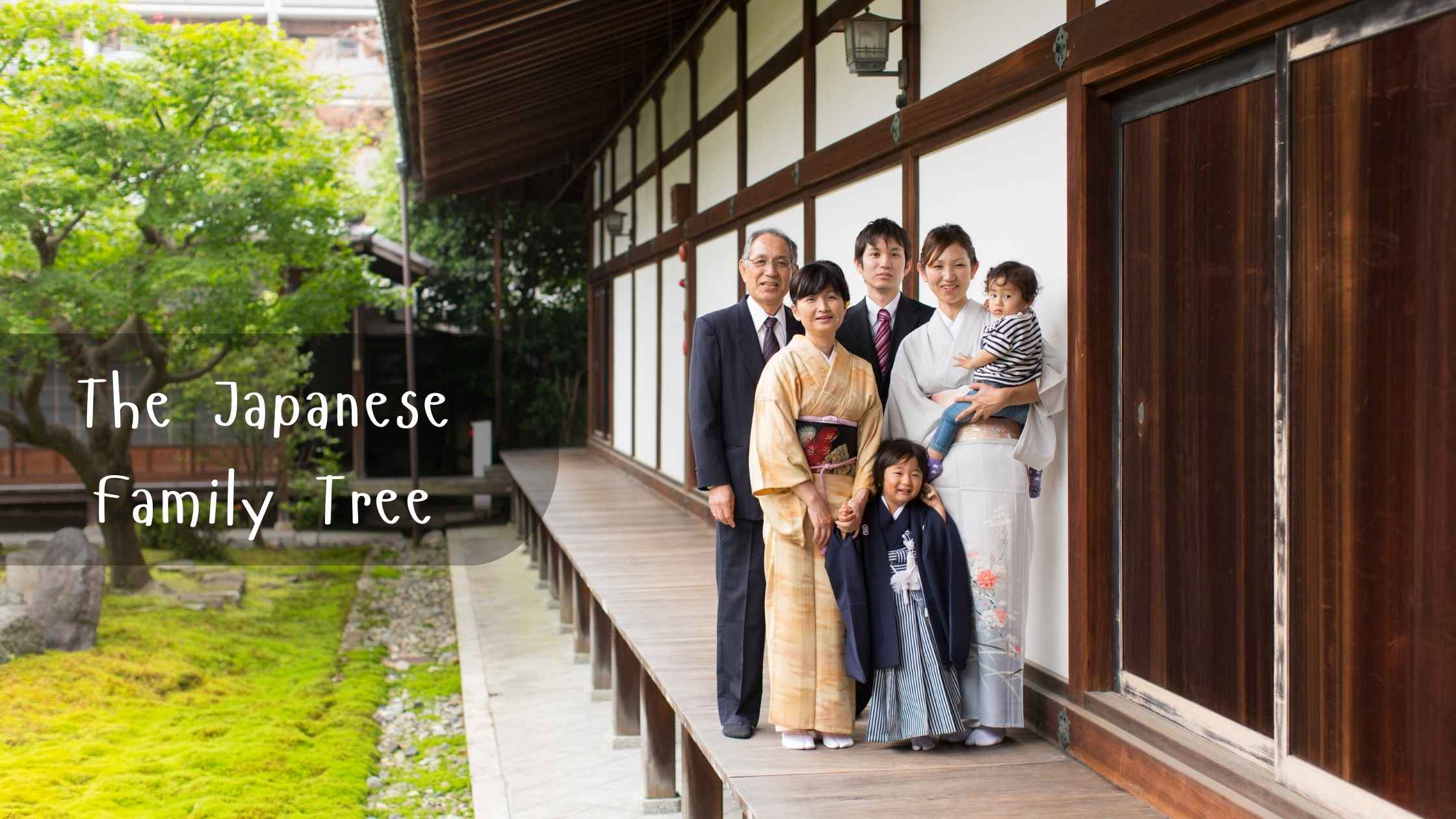
One of the first – and trickiest – things you learn in Japanese is how to talk about your family. It seems simple until you realize that in Japanese, you need two sets of vocabulary: one set for talking about your own family, and another for talking about someone else’s.
This difference isn’t about difficulty; it’s about respect and humility. Always using the correct form is essential for polite conversation, whether you’re introducing yourself in class, chatting with friends, or preparing for the JLPT N5.
Here is your straightforward guide to navigating the Japanese family tree, complete with the essential cultural rules.
The Golden Rule: Humble vs. Respectful
In Japanese culture, you always use the humble term when referring to your own family members (e.g., my father). You use the respectful term, often marked with the honorific prefix o- or go- (お or ご), when referring to another person’s family members (e.g., your father).
| English | Talking about Your Family (Humble) | Talking about Someone Else’s Family (Respectful) |
| Father | 父 (chichi) | お父さん (otōsan) |
| Mother | 母 (haha) | お母さん (okāsan) |
| Parents | 両親 (ryōshin) | ご両親 (goryōshin) |
| Older Brother | 兄 (ani) | お兄さん (onīsan) |
| Older Sister | 姉 (ane) | お姉さん (onēsan) |
| Younger Brother | 弟 (otōto) | 弟さん (otōto-san) |
| Younger Sister | 妹 (imōto) | 妹さん (imōto-san) |
| Siblings | 兄弟 (kyōdai) | ご兄弟 (gokyōdai) |
Extended Family and Relatives
The same humble/respectful rules apply when discussing the rest of the family. Note how the respectful forms often default to おじいさん and おばあさん for grandparents, which can also simply mean “old man” or “old woman.”
| English | Humble (My Family) | Respectful (Others’ Family) |
| Grandfather | 祖父 (sofu) | おじいさん (ojīsan) |
| Grandmother | 祖母 (sobo) | おばあさん (obāsan) |
| Husband | 夫 (otto) | ご主人 (goshujin) |
| Wife | 妻 (tsuma) | 奥さん (okusan) |
| Child (general) | 子ども (kodomo) | お子さん (okosan) |
| Son | 息子 (musuko) | 息子さん (musuko-san) |
| Daughter | 娘 (musume) | 娘さん (musume-san) |
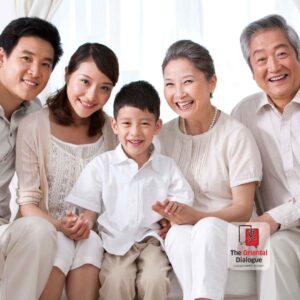 How to Introduce Your Family in Japanese
Once you have the vocabulary, you need the right sentence structure. These are fundamental JLPT N5 structures used daily.
- 私の父は会社員です。
(Watashi no chichi wa kaishain desu.)
(My father is a company employee.)
- 妹が一人います。
(Imōto ga hitori imasu.)
(I have one younger sister.)
- 家族は4人です。
(Kazoku wa yonin desu.)
(My family has four people.)
Asking Polite Questions
When you ask someone about their family, always use the respectful terms and prefixes:
- ご家族は何人ですか?
(Gokazoku wa nan-nin desu ka?)
(How many people are in your family?)
- お父さんは何をしていますか?
(Otōsan wa nani o shiteimasu ka?)
(What does your father do?)
- ご兄弟はいますか?
(Gokyōdai wa imasu ka?)
(Do you have any siblings?)
Why This Matters for Conversation
Japanese communication is highly focused on demonstrating respect for the person you are speaking to. When you use the humble form for your own family, you are showing modesty. When you use the respectful form for their family, you are showing politeness. Getting this right is crucial for sounding natural.
This kind of cultural context is what separates textbook knowledge from real-world conversational skill. It’s what you need to master the JLPT N5 and confidently hold a conversation in Japan.
Ready to Build Real-World Japanese Skills?
Mastering tones and understanding the polite framework is easier with expert guidance. Flashcards will teach you the word chichi, but only a great teacher will instinctively correct you when you forget to use otōsan in conversation.
At The Oriental Dialogue, our Japanese courses blend JLPT preparation with practical conversation, ensuring you learn not just the vocabulary, but the essential cultural rules that govern its use.
If you’re ready to start speaking Japanese correctly and confidently, there’s no better time than now.
Join our free monthly Japanese demo session!
It’s the perfect, zero-commitment opportunity to experience our interactive teaching style, meet our trainers, and see exactly how we prepare you for real-life conversations and exam success.