
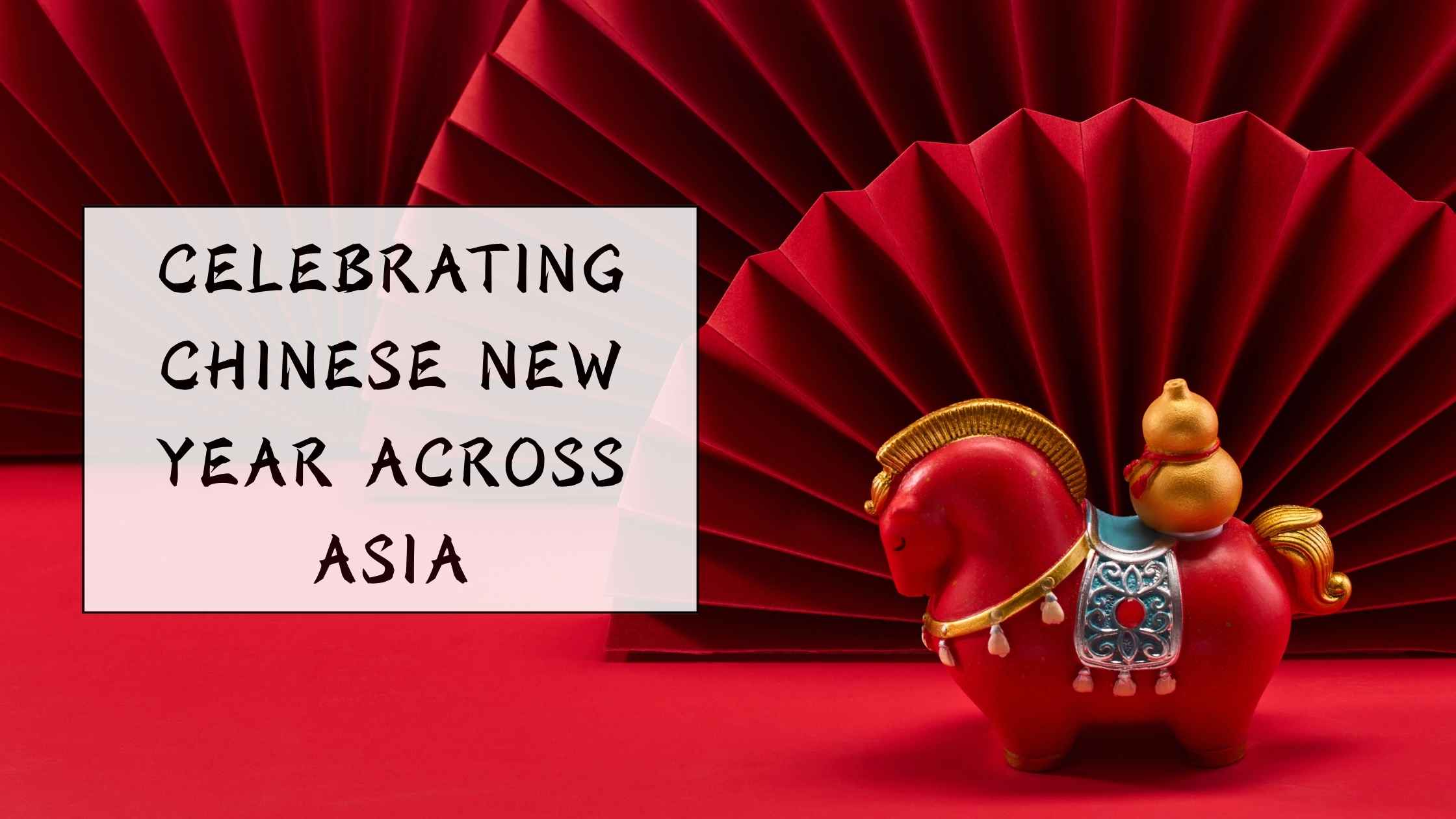
Celebrating Chinese New Year Across Asia
As the moon waxes and wanes, marking the passage of time, many cultures across Asia prepare to usher in a new year, not by the Gregorian calendar, but by the ancient rhythms of the lunar cycle. The Chinese New Year, often associated primarily with China, is a vibrant and deeply meaningful festival celebrated with unique customs and traditions in countries like Korea and Vietnam, each adding their own cultural flair to the joyous occasion. Even in India, while not a lunar new year in the same vein, many communities observe their own distinct new year celebrations that align with harvest cycles and traditional calendars.
Let’s embark on a journey to explore how this auspicious period unfolds in different parts of Asia.
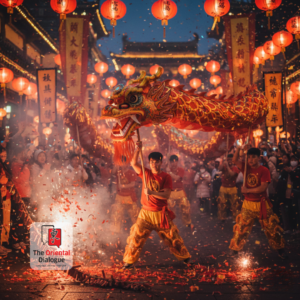 China: The Grand Spectacle of Spring Festival
In China, the Chinese New Year is known as Chūn Jié (春节), or Spring Festival, and it is the most important holiday of the year. The celebrations typically last for 15 days, culminating in the Lantern Festival.
The heart of Chinese New Year lies in family reunions. Millions travel across the country, and even the world, to be with their loved ones. Homes are meticulously cleaned to sweep away bad luck and make way for good fortune. Red is the dominant color, symbolizing prosperity and warding off evil spirits, adorning everything from lanterns to clothing.
Key traditions include:
- Reunion Dinner (Nian Ye Fan 年夜饭): The New Year’s Eve dinner is the most significant meal, featuring dishes with symbolic meanings. Fish (鱼 – yú) signifies abundance, while dumplings (饺子 – jiǎozi) represent wealth.
- Red Envelopes (Hongbao 红包): Adults give children and unmarried younger relatives red envelopes filled with money, symbolizing good wishes and luck.
- Firecrackers and Fireworks: Traditionally used to scare away evil spirits like the mythical Nian beast, they now create a dazzling spectacle of light and sound.
- Dragon and Lion Dances: These energetic performances are believed to bring good fortune and drive away evil.
- New Year Greetings (Bai Nian 拜年): People visit relatives and friends to exchange greetings and well wishes.
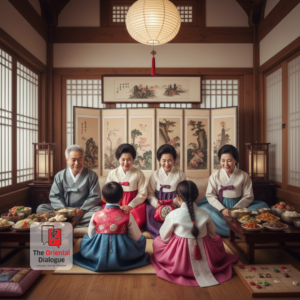 Korea: Seollal and the Art of Ancestor Worship
In Korea, the Lunar New Year is called Seollal (설날) and is one of the most important traditional holidays. It’s a time for families to gather, honor ancestors, and enjoy traditional foods.
The celebration spans three days, with the actual New Year’s Day being the most significant.
Key traditions include:
- Charye (차례): A memorial service for ancestors, where families offer food and drink to show respect.
- Seongmyo (성묘): Visiting ancestral graves to pay respects.
- Sehbae (세배): Younger generations bow deeply to their elders, wishing them good health and fortune. In return, elders often give “sehbaetdon” (new year’s money) in traditional cloth pouches.
- Tteokguk (떡국): A traditional soup made with sliced rice cakes, it is customary to eat tteokguk on New Year’s Day, as it is believed to add a year to one’s age.
- Traditional Games: Families often play folk games like Yutnori (윷놀이), a board game, or fly kites.
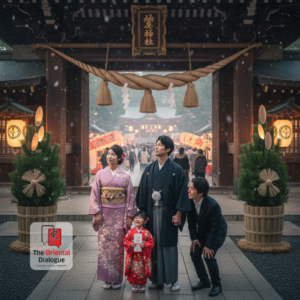 Japan: A Shift Towards Gregorian, But Echoes Remain
Interestingly, Japan officially adopted the Gregorian calendar in 1873, and as such, their “New Year” celebration, Shōgatsu (正月), primarily falls on January 1st. However, many traditional customs and symbols associated with a new year persist, some of which bear resemblances to other East Asian lunar new year practices.
While the exact “Lunar New Year” isn’t a national holiday, remnants of the older lunar calendar influence can still be seen in some regional festivals and the timing of certain events, particularly around agricultural communities or specific shrines.
Traditional Japanese New Year customs (though observed in January) include:
- Osechi-ryori (おせち料理): A collection of traditional dishes packed in special boxes, each dish symbolizing good health, fertility, or good fortune.
- Hatsumōde (初詣): The first shrine or temple visit of the year to pray for good luck.
- Kadomatsu (門松) and Shimekazari (しめ飾り): Pine and bamboo decorations placed at entrances to welcome deities and ward off evil.
- Otoshidama (お年玉): Children receive small envelopes with money from adults, similar to Chinese red packets.
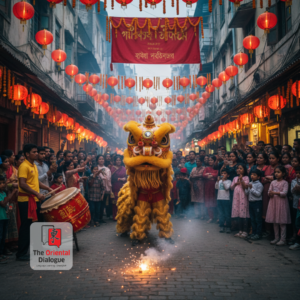 Tangra to Tiretta Bazaar: How India’s Chinese Community Celebrates
In India, the Chinese New Year is a vibrant, soulful celebration, primarily centered in the heart of Kolkata – home to India’s only Chinatown. The community, mostly of Hakka descent, has blended Chinese traditions with Indian warmth for generations.
Here is how the Chinese New Year comes alive in the Indian context:
Kolkata becomes the epicenter of festivities. In Tiretta Bazaar (Old Chinatown) and Tangra (New Chinatown), the air is filled with the smell of incense and authentic street food. The celebration is a beautiful bridge between two cultures:
- The Lion and Dragon Dances: These aren’t just for tourists; they are deep-rooted traditions. Local troupes weave through the narrow lanes of Tangra, stopping at homes and businesses to bring luck for the coming year.
- The Sound of Celebrations: Just like any big Indian festival, the Chinese New Year in Kolkata is loud and joyous, featuring a mix of traditional drums and, of course, plenty of firecrackers to ward off the mythical beast Nian.
A Unique Fusion of Flavors
The food is perhaps the most famous part of this celebration. While traditional dumplings (momos) and fish are served, you’ll often find a hint of Indian influence in the spices.
- The Reunion Dinner: Families gather for a massive feast that often includes “Indian Chinese” staples alongside traditional Hakka dishes.
- The Morning Bazaar: On the morning of the New Year, Tiretta Bazaar transforms into a massive breakfast market where locals and visitors alike queue up for fish ball soup, baozi, and sweet rice cakes.
Worship and Community
- Temples and Churches: Many Chinese-Indians visit the local Chinese temples (like the Sea Ip Church or the Choonghee Dong Thien Hauey Church) to light incense and pray for ancestors. Interestingly, because the community is well-integrated, you’ll often see people of all faiths joining in the festivities.
- Red Packets (Hongbao): The tradition of giving red envelopes remains strong. Elders give these to the younger generation, often containing Indian Rupees, symbolizing a wish for prosperity in the local currency.
Beyond Kolkata
While Kolkata is the hub, small Chinese-Indian communities in Mumbai and Bengaluru also celebrate with private family dinners and visits to local temples or community centers, keeping the heritage alive even far from the original settlements.
A Universal Thread of Hope
Whether it is the rhythmic beat of the drums in the streets of Tangra, the deep, respectful bows of Sehbae in a Seoul living room, or the quiet reflection at a Japanese shrine, the essence of the Chinese New Year remains the same across borders. It is a celebration of resilience, family, and the evergreen hope that the coming year will be brighter than the last.
In a world that often feels fast-paced and fragmented, these traditions remind us of the importance of pausing to honor our roots and gathering with the people who matter most. As the lanterns are lit and the feast is shared, the Chinese New Year serves as a beautiful reminder that no matter where we are – from the bustling markets of China to the heart of India – we are all united by the joy of a fresh start.